6-minute read
As temperatures drop and winter sets in, families in Western North Carolina (WNC) are faced with a daunting reality: finding ways to stay warm amid storm damage and fuel shortages. Firewood has long been a vital resource in this region, offering a reliable, locally sourced heating option when fuel oils or kerosene are unavailable. For many, it’s not just a source of warmth but a lifeline, especially in the aftermath of Hurricane Helene.
Local WNC firewood companies, like the Linville River Company and Green River Firewood, are stepping up to meet this need by providing wood to families facing the cold without adequate heating. A representative from Linville River Company shared, “A large portion of southern Appalachia is still heated by firewood, and even if you didn’t lose your stock of firewood, there’s a good chance it was saturated and is not usable.”
Why Fallen Wood Isn’t Safe to Use
The devastation caused by the storm has left a significant amount of fallen wood, but contrary to popular belief, it isn’t suitable for immediate use. Here’s why:
- Green Wood: Recently fallen trees retain a high moisture content, making them unsuitable for burning. “We have dense hardwoods here that take up to 20 months to dry,” explains a representative from Green River Firewood. “Any wood that fell during the hurricane is unusable this year.”
- Mold and Contaminants: Fallen wood can absorb moisture and develop mold or contaminants, which, if burned indoors, can release harmful fumes. “The reason it’s better to go through a business to get firewood is that you’re not getting wood that might have mold,” explains a Green River representative. “Burning wood with mold releases it into the air, which people could breathe in.”
Resilience in the Wake of the Storm
For many in WNC, the struggle to secure heating fuel has been compounded by heartbreaking losses. Hurricane Helene’s flooding swept entire firewood sheds downriver, taking away vital winter supplies for families. A representative from Linville River Company recalls, “We got a call from a local fire chief whose woodpile, the only way he could heat his home, had washed away. It was clear that people in the area needed help immediately, so we started distributing wood.”
The impact of the storm has been extensive, with neighboring campgrounds and state parks closed and local roads blocked by debris and downed power lines. “We’ve had to reduce our workforce and limit operations, but we’re still focused on helping families access what they need to get through this winter,” says Green River’s representative.
Types of Wood for Safe, Efficient Heating
- Green Wood: Green wood has a high moisture content because it was recently cut and hasn’t had time to dry out. It’s challenging to burn, creates heavy smoke, and can clog chimneys with creosote, a leading cause of house fires.
- Kiln-Dried Wood: Kiln-dried wood, treated in high-heat kilns to remove moisture, is the safest and most efficient firewood.
- Seasoned Wood: Seasoned wood, dried for at least six months, offers a longer burn. “For home heating, we recommend a mix of kiln-dried and seasoned wood. The kiln-dried catches quickly, while the seasoned wood burns longer,” explains Green River Firewood.
How is Firewood Made?
How Donations to Local Firewood Companies Directly Support the Community
When you donate to Linville River Company or Green River Firewood, you’re contributing to a united effort to keep WNC warm and resilient this winter. Though these companies typically serve different areas and markets, they share a common mission: to ensure that families have access to safe, reliable heating.
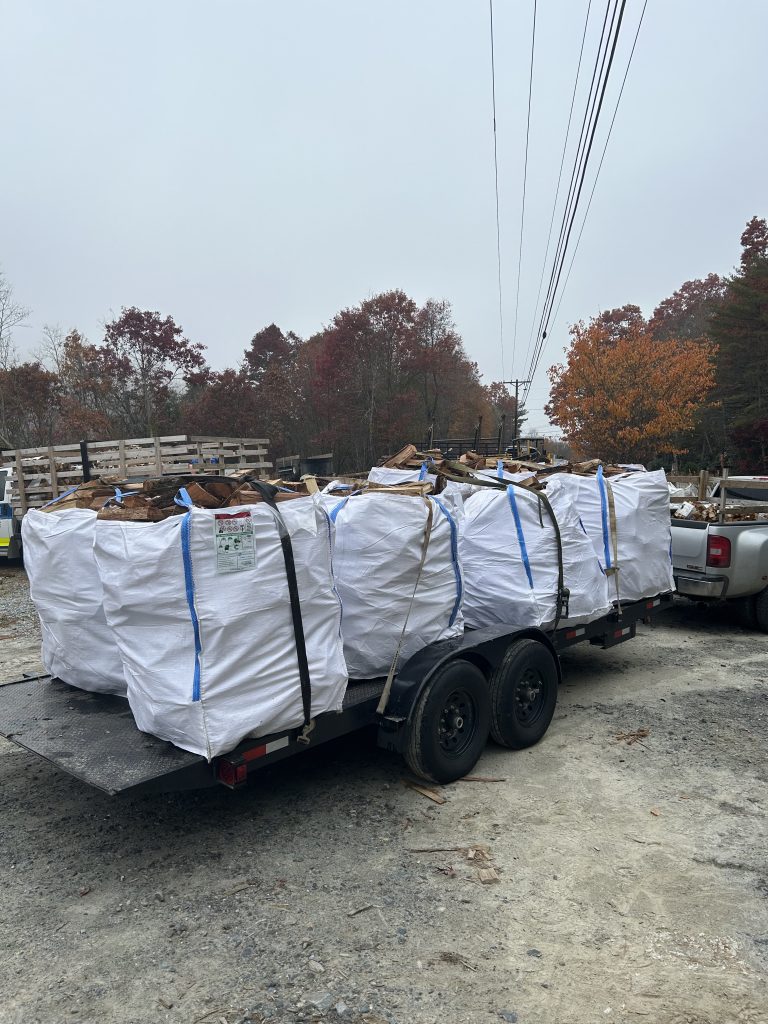
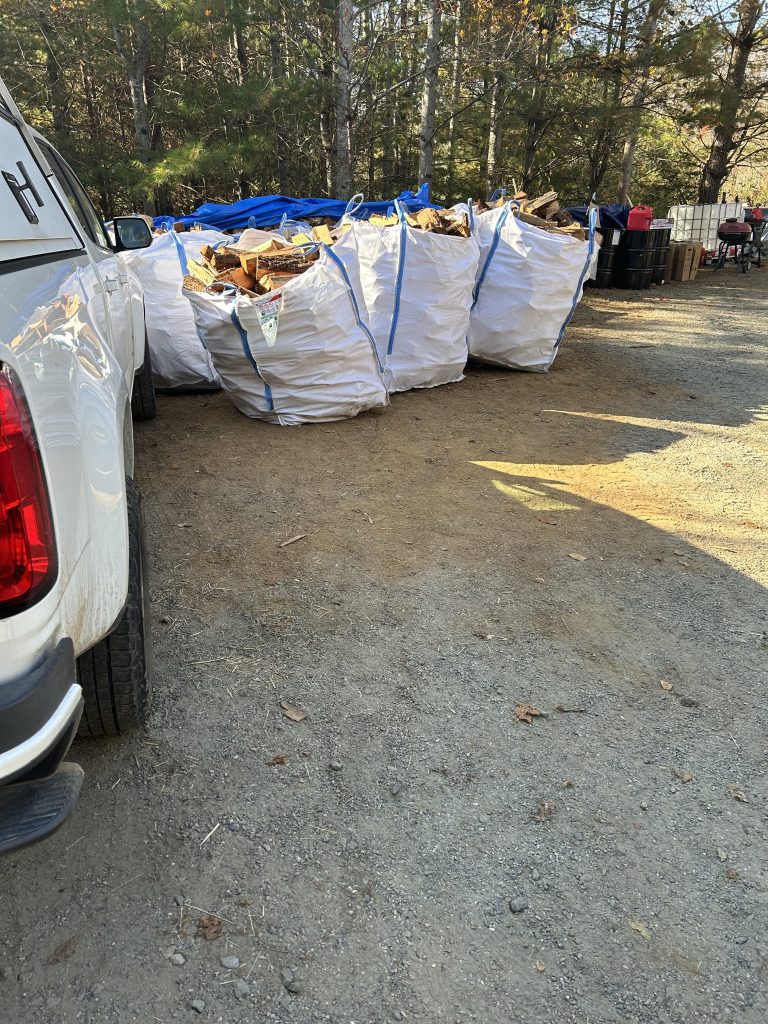
As Green River Firewood puts it, “We’re not competitors. We’re both here to make sure people don’t go cold.” By supporting either company, you help cover the costs of kiln-drying, preparing, and transporting wood to families in need, particularly those in hard-to-reach or severely damaged areas.
Both companies have seen significant drops in regular business due to the storm’s impact on local campgrounds and parks, but they remain committed to helping the community, even at a personal cost. Donations allow them to maintain their staff, keep essential equipment running, and deliver firewood directly to families who would otherwise go without. A representative from Green River Firewood explains, “Any support helps us to continue operations and provide warmth to those in need. We’re focused on helping families get through the winter together.”
By donating to either Linville River Company or Green River Firewood, you’re helping neighbors rebuild and providing warmth to those who need it most, bridging the gap in these challenging times.
The Critical Need for Fuel and Heating Resources
For those affected by the storm, the need for fuel security is greater than ever. Rhonda Jean, the fuel coordinator with the Western Carolina Emergency Network (WCEN), explains that while wood is an excellent option, it’s not accessible to everyone. “Wood fuel is great if someone has a clean, ventilated fireplace. But for kerosene and other heating fuels, families need specific home setups, which may have been damaged in the storm,” says Rhonda.
Rhonda emphasizes that the region’s fuel hubs, where firewood, kerosene, and other fuels are distributed, have become lifelines. “Funds are essential to keep these hubs open and supplied. Fuel not only heats homes but also supports recovery efforts like debris removal and transportation for those without other options.”
“Fuel not only heats homes but also supports recovery efforts like debris removal and transportation for those without other options.” Rhonda explains.
How You Can Help: Donate to Keep NC Families Warm
This winter, you can help ensure that families across Western North Carolina won’t go without heat. Donations of any size, whether financial or in the form of firewood, make a substantial difference. Linville River Company, Green River Firewood, and WCEN are accepting financial donations. “Any amount helps,” suggests Linville River. “Or if possible, donate fallen trees to help us restock our supply for next year.”
Let’s come together to keep our communities warm and safe this winter. Every donation counts, and with your support, we can ensure that no family faces the cold without a way to stay warm.
Financial Donations
Wood Donations